
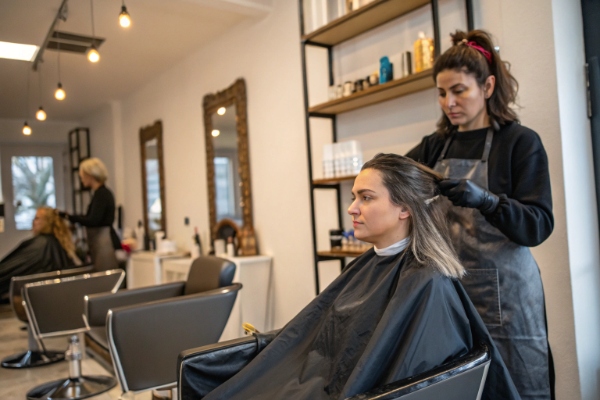
Hair dyeing is an age-old practice, utilized for aesthetic enhancement or covering gray hairs. However, a critical concern among its users is whether hair dye can lead to hair loss. This article explores the potential connection between hair dye and hair loss, drawing upon scientific studies and expert insights.
Could Hair Dye Cause Hair Loss?
Hair dye chemicals can damage hair, cause allergies, and oxidative stress. Safe practices help mitigate risks, allowing vibrant color without compromising hair health.
While hair dye itself may not directly cause permanent hair loss, the chemicals involved can lead to hair shaft damage, allergic reactions, and oxidative stress, indirectly impacting hair health. By recognizing the risks and utilizing safe dyeing practices, individuals can mitigate potential adverse effects while enjoying vibrant hair color.
Understanding Hair Dye and Its Components
Hair dyes generally fall into two categories: temporary and permanent. Permanent hair dyes contain bleaching agents like ammonia and hydrogen peroxide, which facilitate the penetration of color into the hair shaft, while temporary dyes simply coat the surface (Bouillon, 1985). These chemical components must be scrutinized for their potential impact on hair health.
The Connection Between Hair Dye and Hair Loss
Chemical Damage to Hair Shaft
According to a study by Robbins et al. (2012), aggressive chemical hair treatments can compromise the structural integrity of the hair shaft. Damage may include cuticle erosion, which weakens hair, making it prone to breakage — a form of hair loss. Although this doesn’t affect hair follicles directly, excessive breakage can result in noticeable thinning.
Scalp Sensitivity and Allergic Reactions
Hair dyes can provoke allergic reactions and irritations in some individuals, leading to a weakened scalp environment (Krantz & Carr, 2002). These reactions include redness, itching, and even swelling, which may indirectly contribute to hair loss by affecting hair follicle health.
Oxidative Stress and Follicle Damage
Permanent dyes, through the use of hydrogen peroxide, can induce oxidative stress (Wetter et al., 2004). Oxidative stress leads to the generation of free radicals, which can damage hair follicles and interfere with the natural hair growth cycle.
Frequency of Application
Frequent use of hair dye might exacerbate potential negative effects. A study by Cohen et al. (1998) highlighted that repeated exposure to harsh chemicals increases the likelihood of cumulative hair and scalp damage, potentially hastening hair loss.
Scientific Insights and Research
While hair dye is not directly linked to hair loss, scientific research provides insights into the indirect pathways through which hair dye may impact hair health:
- Cuticle Damage and Hair Breakage
Research published in the "International Journal of Cosmetic Science" (Pande et al., 2011) emphasizes that repeated dyeing can erode the hair cuticle, increasing susceptibility to mechanical damage and breakage.
- Scalp Irritation Pathways
A study by Beck et al. (2007) in "Dermatology" explores how allergic contact dermatitis from hair dye can lead to prolonged scalp inflammation, potentially disturbing hair follicle function.
Strategies for Safer Hair Dyeing
Recognizing risks and adopting safer practices can mitigate hair dye-related hair loss:
Patch Testing Before Application
Conducting a patch test to detect skin sensitivity to specific dye formulations can help prevent severe allergic reactions (Schnuch et al., 2002).
Using Ammonia-Free Dyes
Choosing ammonia-free or natural dyes can reduce chemical exposure and minimize oxidative stress, thereby protecting hair health (Bouillon, 1988).
Conditioning Treatments
Incorporating conditioning treatments that fortify the hair shaft and repair cuticle damage can reduce breakage (Robbins, 2012).
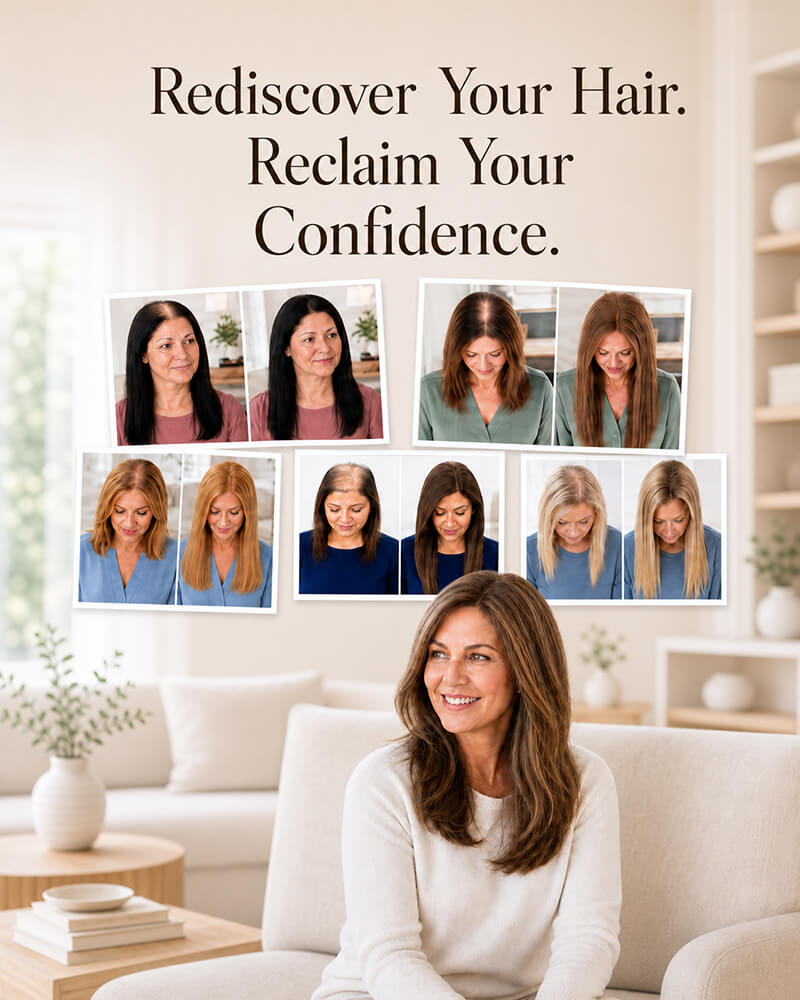
Many people dye their hair when it turns white, especially older women. In fact, you can use a hair topper to cover it, creating a natural look without dyeing it
Conclusion
Ultimately, maintaining strong hair requires a balance between aesthetic desires and scalp health. Through informed choices, users can preserve both the beauty and integrity of their hair.
References:
- Beck, M. H., et al. (2007). Hair dye dermatitis: a review. Dermatology.
- Bouillon, C. (1988). Chemistry and safety of hair dyes. International Journal of Cosmetic Science.
- Bouillon, C. (1985). Hair dye formulations and potential cuticle damage. Journal of the Society of Cosmetic Chemists.
- Cohen, R., et al. (1998). Frequency of hair dye use and scalp health. Journal of Cosmetic Dermatology.
- Krantz, R., & Carr, M. E. (2002). Scalp reactions to chemical exposure. Acta Derm Venereol.
- Pande, P., et al. (2011). Evaluating hair dye-induced cuticle damage. International Journal of Cosmetic Science.
- Robbins, C. R., et al. (2012). Effects of chemical treatments on hair stress response. Journal of Cosmetic Science.
- Schnuch, A., et al. (2002). Optimizing patch tests to prevent dermatitis. Contact Dermatitis.
- Wetter, D. A., et al. (2004). Oxidative stress in cosmetic hair treatments. Clinics in Dermatology.