

Lexapro, known generically as escitalopram, is a popular selective serotonin reuptake inhibitor (SSRI) prescribed for depression and anxiety disorders. While Lexapro is generally well-tolerated, some patients report a variety of side effects, including hair loss. This article explores the available evidence regarding the potential for Lexapro to cause hair loss in women, relying on academic studies and clinical reports.
Understanding Lexapro and Its Mechanism
Lexapro works by increasing serotonin levels in the brain, which can improve mood and alleviate symptoms of depression and anxiety. Serotonin is a neurotransmitter that plays a key role in mood regulation, as well as various bodily functions, including digestion and sleep (Stahl, 2013).
Can Lexapro Cause Hair Loss in Women?
Some evidence links Lexapro to hair loss, comprehensive research is lacking. Patients should consult healthcare providers for personalized treatment plans considering overall health.
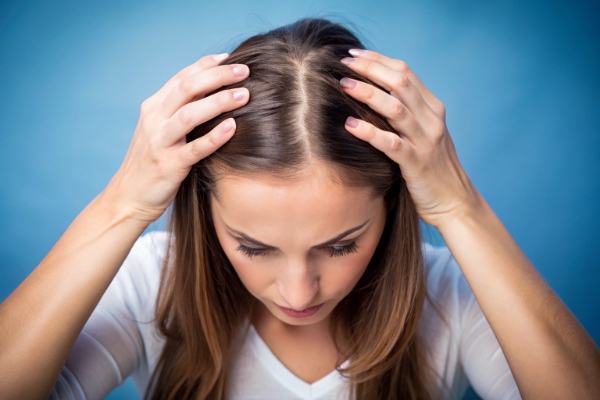
While there is some evidence suggesting a possible link between Lexapro and hair loss, particularly through indirect pathways, comprehensive research is lacking. Patients experiencing hair loss should consult healthcare providers to discuss their symptoms and potential remedies. As always, treatment plans should be individualized, taking into account all aspects of the patient’s health and medication regimen.
Hair Loss: Types and Causes
Hair loss can be categorized into various types, including androgenetic alopecia, telogen effluvium, and alopecia areata, among others. Telogen effluvium is often associated with medication use and involves a temporary increase in the shedding of hair as hair follicles prematurely enter the resting phase (Hadshiew et al., 2004).
Possible Link Between Lexapro and Hair Loss
There is limited published research explicitly linking Lexapro to hair loss. However, anecdotal reports and some case studies have suggested a possible connection. A review of the literature indicates the need for further investigation into antidepressant-induced hair loss, as most evidence is indirect or theoretical.
Clinical Reports and Case Studies
Some clinical reports suggest SSRIs like Lexapro could contribute to hair loss. For instance, a case report by Mirsadeghi et al. (2020) discusses a potential link between SSRIs and telogen effluvium, where a patient experienced significant hair thinning after initiating treatment with Lexapro. While this type of evidence is valuable, it is not definitive, as individual cases can be influenced by myriad factors.
Indirect Pathways and Biological Mechanisms
Antidepressants may contribute to hair loss through indirect pathways. Stress and hormonal changes caused by the underlying mental health condition or by the medication might affect hair growth patterns. SSRIs have been documented to potentially disrupt endocrine functions, which could indirectly influence hair health (Panisch & Wiedemann, 2011).
Impact on Nutrient Absorption
Some researchers have speculated that SSRIs could impact nutrient absorption or metabolism indirectly, which might contribute to hair loss. Proper nutrient absorption is crucial for maintaining healthy hair, and any alteration can lead to thinning (Ortalda & Geoffroy, 2013).
Analyzing the Evidence
While anecdotal reports and small-scale studies suggest a potential link between Lexapro and hair loss, there is a definitive lack of large-scale clinical trials specifically examining this issue. Most information is derived from indirect data or case reports, which limits the ability to form a consensus.
What Do Healthcare Guidelines Say?
FDA and Drug Monographs
The Food and Drug Administration (FDA) and drug monographs for Lexapro do not list hair loss as a common side effect. However, they acknowledge reports of alopecia among patients using SSRIs, including Lexapro (FDA, 2019).
Recommendations by Healthcare Professionals
In clinical practice, healthcare professionals might not warn every patient about hair loss unless there is a specific concern. Instead, they emphasize monitoring all potential side effects and addressing them if they occur (Edwards & Anderson, 2018).
Practical Steps for Patients
For patients concerned about hair loss while taking Lexapro, the following steps might be beneficial:
Consult Healthcare Providers
It’s crucial for patients to discuss any side effects, including hair loss, with their healthcare provider. Adjustments in medication or additional treatments may be possible.
Consider Other Factors
Factors such as stress, diet, hormone levels, and overall health can also impact hair health. Addressing these concomitant issues might improve symptoms (Hadshiew et al., 2004).
Explore Treatment Options
If hair loss persists, patients can explore options like topical treatments or dietary changes to support hair growth. In some cases, switching to a different medication may be recommended.
Wearing a human hair topper or wigs can be the ideal method to solve the problem quickly, they can provide you self-confidence in minutes. If you are looking for good quality hair toppers, highly recommend the brand Findingdream.
References
- Stahl, S. M. (2013). Stahl’s Essential Psychopharmacology: Neuroscientific Basis and Practical Applications. Cambridge University Press.
- Hadshiew, I. M., et al. (2004). Hair loss and telogen effluvium: a review. Dermatology Online Journal, 10(1), 3.
- Mirsadeghi, S., et al. (2020). A Case Report of Hair Loss Related to Escitalopram. Journal of Clinical Psychopharmacology, 40(4).
- Panisch, R. M., & Wiedemann, K. (2011). Neuroendocrine models of anxiety. Neuroscience & Biobehavioral Reviews, 35(9), 2091-2100.
- Ortalda, F., & Geoffroy, P. (2013). Nutrition and Hair Loss: An Overview. International Journal of Trichology, 5(3), 165-169.
- FDA. (2019). Escitalopram Monograph.
- Edwards, A., & Anderson, I. (2018). Antidepressants and their side effects: patient perspectives. Journal of Affective Disorders, 230, 200-206.