

What Does Hair Conditioner Do to Your Hair?
Struggling with dull, unmanageable hair can be frustrating. Using conditioner effectively can transform your hair’s appearance and health.
Hair conditioner smooths the hair shaft, adds moisture, and reduces frizz. It enhances shine and makes hair easier to manage by providing essential nutrients.
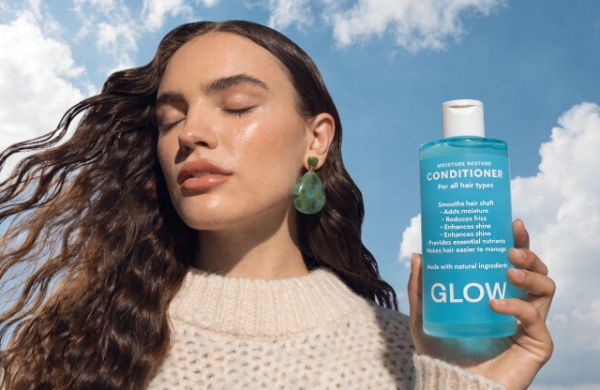
Choosing the right conditioner for your hair type is essential for maintaining healthy and beautiful hair. Each hair type has unique needs, and selecting the appropriate conditioner can effectively address these requirements. The right conditioner provides necessary nutrients and moisture, enhancing the overall texture of your hair, making it soft, smooth, and easy to manage. Whether you have fine, coarse, curly, or dry hair, targeted conditioning products can help restore hair health and vitality, boosting your personal image and confidence.
Does Conditioner Cause Hair Loss?
Concerns about hair loss can be quite unsettling, prompting many to examine every aspect of their hair care routine, including the use of conditioner. Understanding how conditioner affects hair health can offer peace of mind and guide informed decisions about hair care products.
Typically, conditioner does not cause hair loss. In fact, when used correctly, conditioner plays a crucial role in maintaining hair health. It helps detangle hair, reducing the risk of breakage and making it easier to manage.
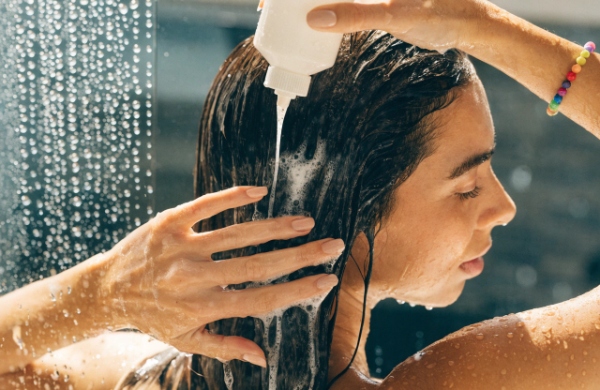
One important aspect of using conditioner effectively is ensuring that it’s thoroughly rinsed out. Failure to remove conditioner residue can lead to buildup on the scalp, potentially weakening hair follicles over time. This can contribute to hair fragility and loss.
Does Conditioner Cause Dandruff?
Dealing with dandruff can be both uncomfortable and frustrating, prompting many to question whether their hair care products, like conditioner, might be contributing to the problem. Understanding the relationship between conditioner and dandruff is crucial for maintaining effective scalp care.
Generally, conditioner does not cause dandruff. Conditioners are designed to moisturize and protect hair, and when used properly, they should not contribute to dandruff.
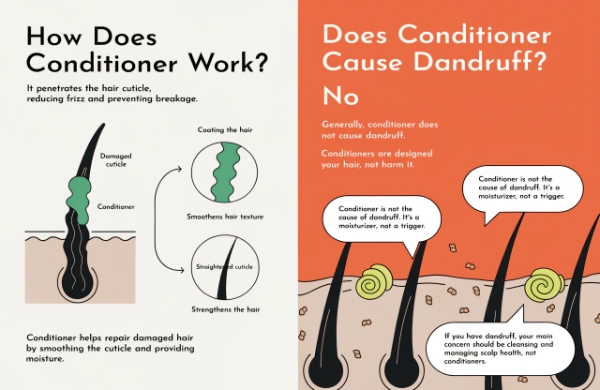
However, improper rinsing or using a conditioner that’s not suitable for your scalp type can lead to product buildup. This buildup can irritate the scalp and potentially exacerbate dandruff symptoms. It’s important to thoroughly rinse your hair to remove all traces of conditioner to prevent this issue.
Choosing a conditioner formulated for your specific scalp needs can also help maintain a healthy and flake-free scalp. Look for products that mention scalp health on their labels and avoid heavy formulas if your scalp is sensitive or prone to dandruff.
Does Conditioner Cause Acne?
Experiencing acne on your scalp or hairline can be particularly bothersome, and it’s natural to wonder if your hair care products might be playing a role in this issue. Understanding how conditioner could contribute to acne is essential for both effective hair and skin care.
Conditioner can potentially contribute to acne if it clogs pores around the hairline. This can happen if the conditioner is not thoroughly rinsed out, leading to residue buildup that can block pores and trap oil and bacteria.
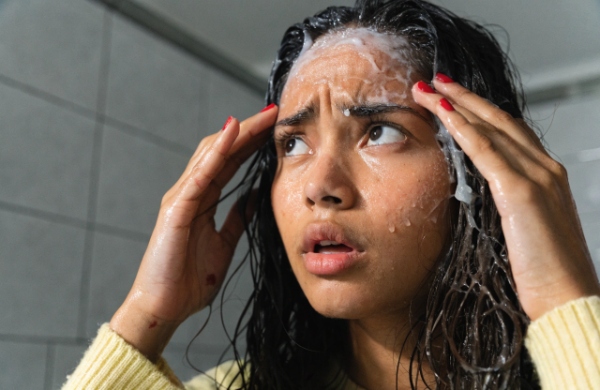
To minimize this risk, be careful to keep conditioner away from your face and hairline during application. Focus on applying it to the ends of your hair rather than the roots or scalp. Additionally, make sure to rinse thoroughly to remove any product that could linger on the skin.
Opting for non-comedogenic hair products can also be beneficial. These products are specifically formulated not to clog pores, reducing the likelihood of acne breakouts. When selecting a conditioner, consider your skin type and any sensitivities you might have.
Does Conditioner Clean Hair?
Using conditioner to clean hair might sound strange. Understanding its role can clarify if it’s suitable for cleansing.
Conditioner primarily moisturizes and detangles hair. It does not clean the scalp or hair like shampoo, as it lacks cleansing agents.
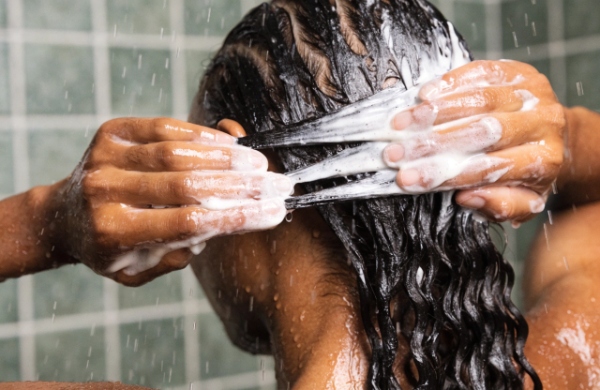
For properly clean hair, it’s important to use shampoo first. Shampoo is formulated with surfactants that break down oils and impurities, thoroughly cleansing your scalp and strands. After shampooing, conditioner complements the process by restoring moisture and smoothing the hair cuticle, which can be stripped by shampooing.
Does Conditioner Help with Dry Scalp?
Dealing with a dry scalp can lead to persistent itchiness and discomfort, making it crucial to find effective solutions. Understanding how conditioner can assist in alleviating these symptoms is essential for achieving scalp relief.
Certain conditioners are specifically formulated to hydrate and soothe a dry scalp. These products often contain soothing ingredients like aloe vera, tea tree oil, or hyaluronic acid, which can provide the necessary moisture and nourishment to relieve dryness.
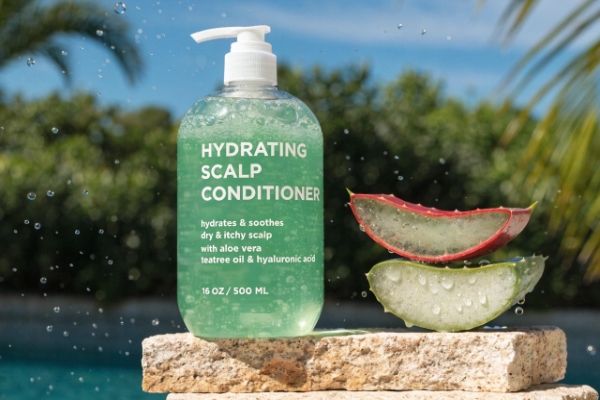
To effectively address a dry scalp, apply the conditioner not only to your hair but also gently massage it into your scalp. This approach helps deliver moisture directly where it’s needed, potentially reducing itchiness and promoting overall scalp health.
When selecting a conditioner, look for those labeled as moisturizing or hydrating, and avoid ingredients that can be harsh or drying. Regular use of an appropriate conditioner can significantly contribute to alleviating the discomfort associated with a dry scalp, promoting a more comfortable and healthier-feeling scalp environment.
How Often Should You Use Conditioner?
Conditioning too little or too much can affect hair health. Finding the right balance is crucial.
Typically, you should use conditioner every time you shampoo, which is usually around two to three times a week. However, the exact frequency should be tailored to your hair type and individual needs.
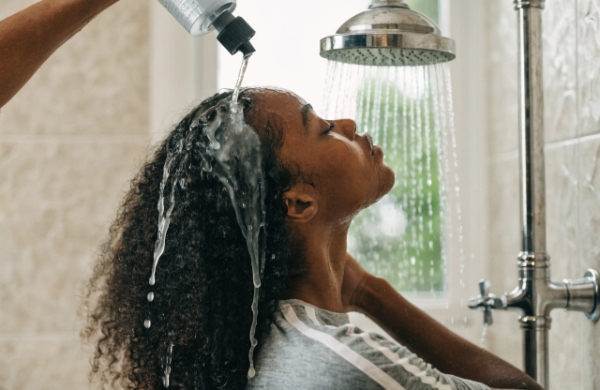
For example, fine hair may require less frequent conditioning to avoid weighing it down, while curly or dry hair might benefit from more frequent conditioning to maintain moisture.
Regular conditioning helps maintain moisture levels and protects against damage, such as split ends and breakage. If your hair feels dry or brittle, you might consider deep conditioning treatments occasionally to provide an extra boost of hydration.
Conclusion
Conditioner enhances hair health by adding moisture and preventing damage. Using it correctly avoids issues like buildup while improving hair texture.