

What Is a Widow’s Peak?
Widow’s peaks are often misunderstood and can seem like a mysterious trait. It’s essential to know what this common feature is.
A widow’s peak is a distinctive V-shaped point at the center of the forehead where the hairline meets. This unique characteristic can be hereditary and varies in prominence among individuals. Often passed down through generations, it adds an intriguing element to one’s appearance and can accentuate facial features.

Widow’s peaks are prevalent across diverse populations, contributing to the spectrum of human hairlines. While some people embrace this trait as a stylish asset, often accentuating it with specific hairstyles, others might prefer to minimize its appearance through various styling techniques, like side bangs or fringes.
Regardless of how it’s managed, the widow’s peak is more than just a physical attribute—it’s a part of personal identity, reflecting individuality and diversity. Celebrating or styling around it can enhance one’s unique aesthetic, making it a cherished feature for many.
Why Is It Called a Widow’s Peak?
The term "widow’s peak" might seem unusual, but its origin provides fascinating insight into cultural history. The name comes from a resemblance to traditional mourning hoods worn by widows, which often had a similar V-shaped point, symbolizing grief and loss. This stylistic element dates back to historical times when fashion and symbolism were deeply intertwined.
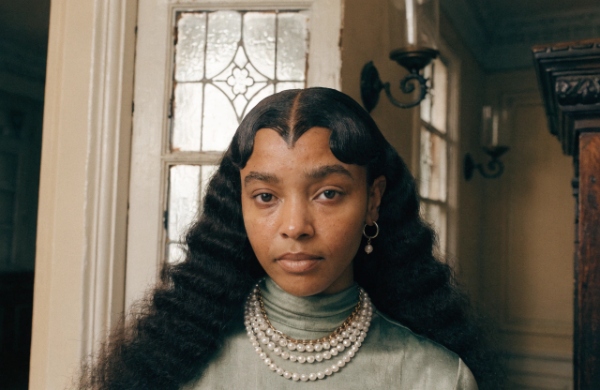
Dive Deeper: Cultural Significance of Widow’s Peak
Throughout history, the widow’s peak has carried various cultural meanings. In some societies, it was considered a sign of beauty or mystery. People often associate it with vintage fashion styles, where the pointed hairline added elegance to certain hairstyles.
Understanding its past in literature and art, where characters with widow’s peaks are depicted with charm and intrigue, shows how perceptions have evolved. This feature, while simple, carries stories and meanings across different cultures.
Is Widow’s Peak Dominant or Recessive?
The genetics of hairlines can be quite fascinating. Knowing the inheritance pattern can help grasp family traits.
A widow’s peak is thought to be a dominant trait. If one parent has it, there’s a likelihood their children might too.
A dominant trait means that only one copy of the gene from one parent is enough to express the feature. However, genes are not always predictable, and multiple factors can influence the hairline.
Research in genetics often explores these traits to understand better how various features are passed down. While a widow’s peak is common, the exact inheritance pattern can vary widely between families.
How to Get Rid of Widow’s Peak
Changing your hairline can be quite personal. Knowing safe methods helps in making informed choices.
Removing a widow’s peak can be done through methods like laser hair removal or electrolysis. These provide permanent results.
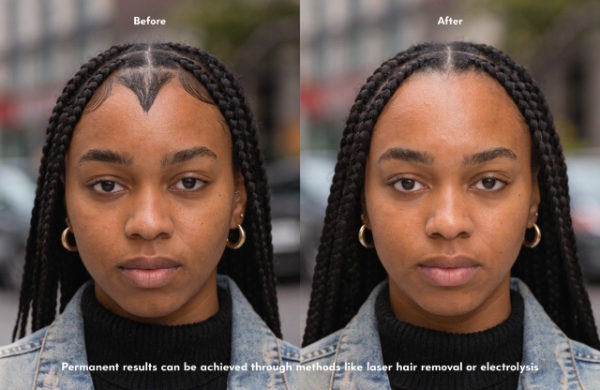
Though permanent methods exist, they come with considerations. Laser hair removal targets hair follicles, reducing regrowth. It’s often chosen for its precision but requires multiple sessions. Electrolysis, while time-consuming, gives precision too.
Weighing these options:
- Laser Removal: Effective but costly and may cause temporary redness.
- Electrolysis: Permanent, suits small areas, but takes time.
Each procedure has pros and cons, emphasizing the importance of professional advice for personalized decisions.
What Nationality Has a Widow’s Peak?
Widow’s peaks are a fascinating feature found across diverse populations worldwide. This trait transcends specific nationalities, appearing in various ethnic groups without being tied to one particular region.
The presence of a widow’s peak highlights the shared genetic tapestry of humanity, illustrating how characteristics can cross cultural and geographical boundaries. It serves as a reminder of our interconnectedness, showcasing the blend of genetic variations that unite us beyond borders.
Ultimately, the widow’s peak is a universal trait that enriches the diversity within human appearances, reflecting the complex and beautiful mosaic of human genetics. This shared feature underscores the common threads that bind us together, celebrating the diversity and unity inherent in the human experience.
Does a Widow’s Peak Mean Baldness?
Concerns about hair loss are prevalent, and understanding the relationship between a widow’s peak and baldness can bring reassurance. A widow’s peak is merely a natural variation in hairline shape and doesn’t necessarily predict future baldness.
This trait is part of one’s unique genetic makeup, independent of factors leading to hair loss, such as male-pattern baldness or other conditions. Understanding these distinctions helps individuals appreciate their hair patterns without undue anxiety.
By recognizing that a widow’s peak is just a variation, one can focus on maintaining healthy hair and scalp care routines. Knowledge empowers individuals to distinguish between genetic traits and potential hair concerns, fostering confidence and reducing worry about future hairline changes.