

You have scanned the label and wondered which ingredient is making your hair thin. The honest answer is that none of them do it alone – but a few are worth knowing about.
No single shampoo ingredient directly causes hair loss. Sulfates, silicones, and salicylic acid are all safe for most people. The real problem is harsh cleansing and product buildup, which can irritate your scalp and lead to breakage or temporary shedding.
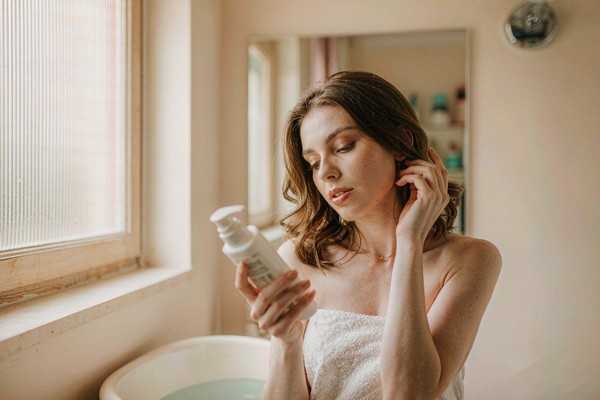
But the answer depends on the ingredient. Some are harsher than others, and a few get blamed for the wrong reasons. Let me go through the ones people ask about most.
Can Sulfates Cause Hair Loss?
You have probably heard that sulfates are harsh, and it is true they strip more oil than gentler cleansers. But does that mean they make your hair fall out?
No, sulfates do not directly cause hair loss. There is no clinical evidence that sodium lauryl sulfate or sodium laureth sulfate makes hair fall from the root. They can, however, dry out your scalp and make hair brittle, which leads to breakage that looks like shedding.
Sodium Laureth Sulfate vs. SLS
Sulfates are the cleansers that make shampoo lather. The two you see most are sodium lauryl sulfate[1] (SLS) and sodium laureth sulfate (SLES). SLES is the milder version, because an extra step in processing makes it less irritating. Both work the same way. They strip oil and dirt, but they can also strip too much of your scalp’s natural oil. That leaves skin dry and hair brittle. Dry hair does not stop growing, but weak strands snap more easily, and the short broken pieces can look like real shedding.
| Ingredient | What it does | Can it cause hair loss? |
|---|---|---|
| Sodium Lauryl Sulfate (SLS) | Strong cleanser, high lather | No, but can dry and irritate the scalp |
| Sodium Laureth Sulfate (SLES) | Milder cleanser than SLS | No, gentler but still can dry hair |
| Sulfate-free cleansers | Gentle, less lather | No |
Do Sulfate-Free Shampoos Cause Hair Loss?
If sulfates are the harsh cleansers, you might think going sulfate-free is the safer choice, and for most people it is.
No, sulfate-free shampoos do not cause hair loss. They use gentler cleansers that strip less oil, which is better for dry, colored, or sensitive hair. The only downside is they may clean heavy buildup less thoroughly, so a periodic clarifying wash still helps.
What to look for in a gentle shampoo
Sulfate-free shampoos replace harsh detergents with milder cleansers like sodium cocoyl isethionate or coco-glucoside. These clean without stripping as much natural oil, so they are kind to a dry or itchy scalp. That matters because scalp health[2] is the foundation of healthy hair, and dermatologists say an irritated scalp is far more likely to shed than a calm one. The trade-off is simple. If you use heavy styling products or have a very oily scalp, a sulfate-free shampoo may leave some residue behind, so a clarifying wash once in a while keeps buildup in check.
| Shampoo type | Cleansing strength | Best for |
|---|---|---|
| Sulfate shampoo | Strong | Oily scalp, heavy buildup |
| Sulfate-free shampoo | Gentle | Dry, colored, or sensitive hair |
| Clarifying shampoo | Deep | Occasional buildup removal |
Does Dimethicone Cause Hair Loss?
Dimethicone is the silicone that gives shampoo and conditioner that silky, detangling feel, and some people blame it for their thinning hair.
No, dimethicone does not cause hair loss. It is a hypoallergenic silicone that coats the hair shaft, and there is no evidence it harms follicles. It can build up on fine or oily hair and make it look limp, but that is a cosmetic issue, not real hair loss.
Silicone buildup vs. hair loss
Dimethicone sits on top of the hair strand. It fills in rough spots, adds shine, and cuts friction so hair combs more easily. Because it repels water, it does not rinse out with a mild shampoo, so it can pile up over time. That buildup makes fine hair feel coated and greasy, and on a sensitive scalp it can cause some itching. But none of that means the follicle is damaged. If your hair feels weighed down, a clarifying shampoo once a week clears the coating. If you are truly shedding from the root, dimethicone[3] is not the likely cause.
| Hair type | Dimethicone effect |
|---|---|
| Dry, damaged, curly | Helps smooth and protect |
| Fine or oily | Can build up and look limp |
| Sensitive scalp | Possible itching from buildup |
Does Salicylic Acid Cause Hair Loss?
Salicylic acid is the exfoliating ingredient in many dandruff shampoos, and if you are already losing hair, it is fair to wonder if it is part of the problem.
No, salicylic acid does not cause hair loss. It dissolves dead skin cells to treat dandruff and seborrheic dermatitis. By clearing flakes and reducing itching, it can actually protect your hair. Overuse may dry or irritate the scalp, so follow the label and start with a low concentration.
Why salicylic acid is usually safe
Salicylic acid[4] is a beta-hydroxy acid that softens and sheds the outer layer of dead skin. On the scalp, that helps break up flakes and oily buildup, which is why it shows up in dandruff and seborrheic dermatitis shampoos. It does not target the follicle or change the hair growth cycle. A cleaner, less itchy scalp may even reduce the scratching that pulls hair out. The only real risk is overuse. Leaving a strong formula on too long can dry or sting sensitive skin, so most dermatologists suggest starting low and using it once or twice a week.
| Concentration | Use |
|---|---|
| 0.5%–2% | Gentle, for mild dandruff |
| 2%–3% | Common in medicated shampoos |
| Higher (Rx) | Only under a doctor’s care |
Conclusion
No shampoo ingredient directly causes hair loss. Sulfates can dry hair and cause breakage, dimethicone can build up and weigh hair down, and salicylic acid is safe when used as directed. What matters most is a healthy scalp, so choose a gentle shampoo and wash regularly.
References
Verywell Health — Is My Shampoo Causing My Hair to Fall Out? Explains how sulfates and other ingredients relate to hair loss. ↑ Back
Cleveland Clinic — Shampoos for Hair Loss: Can They Help? Covers how scalp health and shampoo ingredients affect hair. ↑ Back
Wimpole Clinic — Dimethicone for Hair: Pros, Cons & Hair Type Suitability. Explains whether dimethicone can cause hair loss. ↑ Back
Healthline — How To Use Salicylic Acid Shampoo. Covers the benefits and safety of salicylic acid for the scalp. ↑ Back