

You love a hot shower, but the hair in the drain makes you worry. I understand why that daily habit can suddenly feel like the problem.
Hot water does not appear to directly cause hair loss from the follicle. Very hot, frequent showers can dry or irritate the scalp and make the hair shaft more prone to frizz and breakage. I use warm, not hot, water and look for another cause if shedding becomes noticeable.
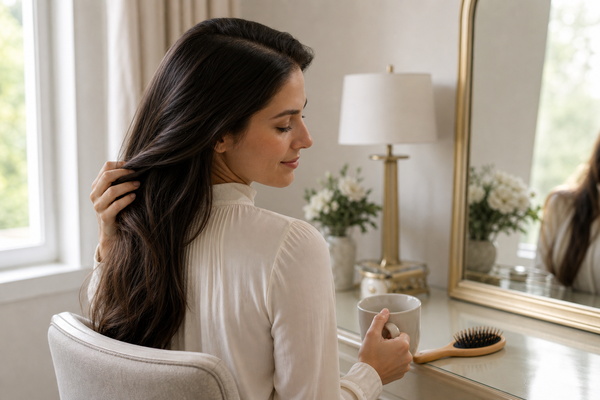
I think it helps to separate three things that often get mixed together: normal shed hairs that appear during washing, broken strands caused by rough handling, and true hair loss caused by a change in the growth cycle or the follicle. A shower can make each one easier to notice. It does not automatically mean that the water temperature is the cause.
Does Hot Water Cause Hair Loss From the Root?
Seeing more hair after a very warm shower can feel alarming. It is easy to blame the water when the timing is so visible.
Hot water does not usually cause hair loss from the root. I would not expect shower temperature alone to stop follicles from growing hair. Hot water may make the scalp feel dry and may worsen breakage, but ongoing shedding, patchy loss, or thinning deserves a separate assessment.
Why shower hair can look like more hair loss
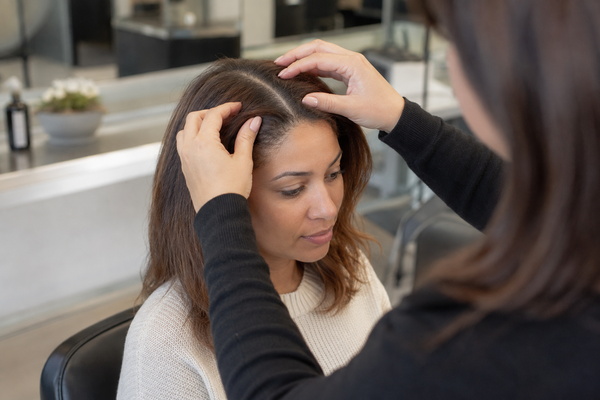
I remind myself that washing does not create every loose strand that I see in the drain. Some hairs were already in the shedding phase and simply come out when I massage shampoo through my scalp or detangle wet lengths. Cleveland Clinic distinguishes normal hair shedding1 from hair loss, and notes that hot water can make the hair cuticle lift, increasing the chance of frizz and breakage. That is an important distinction. A broken strand can make the ends look thinner, but it is not the same thing as a follicle permanently losing the ability to grow. I pay attention to the pattern instead. A few strands on wash day can be normal. A widening part, a new bald patch, sudden clumps, or shedding that continues well beyond washing is a reason to speak with a clinician. I do not try to solve those changes by simply turning the shower cooler.
What common hair-loss causes look like
I avoid treating one shower habit as the whole explanation because hair loss has many possible causes. Mayo Clinic lists hair loss causes2 that include hereditary pattern hair loss, hormonal changes, medical conditions, medication effects, stressful events, and some styling practices. I find this useful because it stops me from jumping to a simple answer when the real issue may be more complex. For example, diffuse shedding that starts a few months after illness, a major stress event, rapid weight change, or childbirth has a different pattern from short snapped hairs around the face. A clinician can ask about timing, health history, diet, medications, and scalp symptoms. That process gives more useful information than a single wash-day photo.
| What I notice after washing | What it may suggest | What I do next |
|---|---|---|
| A usual amount of full-length hairs | Normal shedding may simply be more visible on wash day | I watch the overall pattern instead of counting one shower |
| Many short, uneven pieces | Breakage or mechanical damage | I reduce heat, friction, and rough detangling |
| Itch, tightness, or flakes | Dryness, irritation, or another scalp condition | I switch to gentler care and seek advice if it persists |
| New bald spots or a widening part | A possible hair-loss condition | I book a medical or dermatology assessment |
Can Hot Showers Damage Hair or Dry the Scalp?
The absence of direct follicle damage does not mean that shower temperature never matters. A scalp that feels tight or hair that feels rough needs gentler care.
Hot showers can dry the scalp and hair shaft. I do not call that direct hair loss, but I take it seriously because dryness, irritation, frizz, and breakage can make hair look and feel less healthy. Warm or cool water is a kinder everyday choice.
What heat changes on the scalp and hair shaft
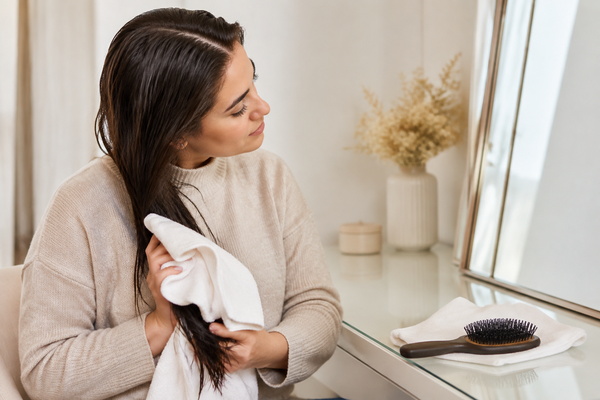
I think of the scalp as skin and the visible strand as a fiber that has to tolerate water, shampoo, friction, brushing, and styling. DermNet recommends wetting the scalp and hair with warm or cool water3 because hot water can be drying to both. It also explains that conditioners can smooth the cuticle, reduce friction, and help limit breakage. I use that as a practical guide rather than a reason to fear every warm shower. The goal is comfort. Water that feels pleasantly warm on my wrist is usually enough to rinse shampoo and conditioner well. Water that makes my scalp red, tight, itchy, or uncomfortable is too hot for me. I also avoid aggressive scalp scrubbing, because irritation plus friction can create a cycle of scratching and more visible breakage. If the scalp already has dandruff, eczema, psoriasis, or seborrheic dermatitis, I ask a dermatologist for a plan instead of experimenting with hotter water.
Why a dry scalp can make the situation feel worse
I do not equate a dry scalp with hair loss, but I know that the symptoms can be distracting. The American Academy of Dermatology notes that hot water4 can dry the skin and scalp and may trigger flares in people with seborrheic dermatitis. I do not diagnose myself from flakes alone. Dryness, dandruff, dermatitis, psoriasis, product irritation, and fungal infection can overlap in appearance. But I do see a simple low-risk first step: I lower the temperature, shorten the shower if it is very long, use a gentle shampoo that suits my scalp, and rinse thoroughly. I also pat the hair dry rather than rubbing it. If itching, redness, crusting, pain, or scaling continues, I get professional advice rather than adding more products. A persistent scalp problem needs a diagnosis, not a hotter rinse.
What Water Temperature Is Best for Hair Washing?
Many people swing between icy water and steaming water because they want a perfect solution. I think the useful answer is much less extreme.
Warm water is best for most hair-washing routines. I use water that feels comfortable, not scalding, to cleanse the scalp and rinse products. I may finish with a cooler rinse if I enjoy it, but I do not expect cold water to cure shedding or force hair growth.
A simple routine that protects hair length
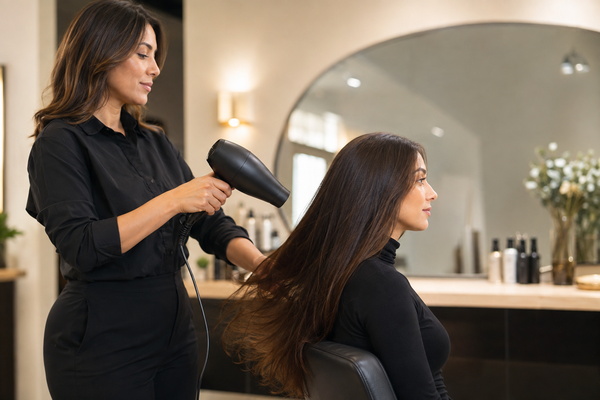
I use a routine that reduces avoidable stress on the strands without making wash day complicated. First, I wet the scalp and hair with warm water. Then I focus shampoo on the scalp, where oil and product buildup collect, instead of rubbing the lengths into a rough lather. I rinse fully and apply conditioner through the mid-lengths and ends. After rinsing, I squeeze out water with a soft towel or T-shirt and detangle gently with a wide-tooth comb if my hair texture allows it. I do not use a high-heat dryer very close to one spot. Evidence from a heat study5 on repeated hair-dryer use found that hair-surface damage increased as temperature rose. A shower is not the same exposure as a 95°C dryer, so I do not use that study to claim that a hot shower causes hair loss. I use it for the narrower point: repeated high heat can harm the hair shaft, so moderate heat and gentle handling make sense when I want to protect length.
| My wash-day choice | Why I choose it | What I avoid |
|---|---|---|
| Comfortably warm water | Cleanses without a scalding sensation | Water that leaves my scalp red or tight |
| Gentle fingertip massage | Lifts oil and product without harsh friction | Scratching with nails |
| Conditioner on mid-lengths and ends | Helps reduce friction during detangling | Heavy scalp application if it causes buildup |
| Patting and careful detangling | Helps prevent mechanical breakage | Vigorous towel rubbing and pulling |
| Moderate dryer heat and movement | Limits concentrated heat exposure | Holding high heat close to one area |
Conclusion
Hot water is more likely to cause scalp dryness and hair breakage than true hair loss. I use comfortably warm water and gentle handling. If I notice persistent shedding, patchy loss, scalp pain, or a widening part, I seek professional advice instead of blaming my shower.
References
Cleveland Clinic distinguishes normal shedding from hair loss and explains that too much hot water can lift the hair cuticle, making strands more prone to frizz and breakage. ↩
Mayo Clinic outlines common hair-loss causes, including hereditary factors, hormonal changes, medical conditions, medication effects, stressful events, and certain styling practices. ↩
DermNet recommends warm or cool water when shampooing because hot water can dry the hair and scalp. It also describes conditioners as a way to reduce friction and breakage. ↩
American Academy of Dermatology identifies hot showers and baths as a possible trigger because hot water can dry the skin and scalp, especially during cold, dry weather. ↩
PubMed indexes a laboratory study of repeated hair-dryer exposure in which hair-surface damage increased with temperature. It supports a cautious approach to concentrated heat, not a claim about shower water causing hair loss. ↩