
High blood pressure, also known as hypertension, is a common condition that affects millions worldwide. While primarily linked to cardiovascular diseases, there is emerging interest in understanding its potential connection to hair loss.
Understanding Hypertension
Hypertension is characterized by consistently elevated blood pressure levels. It strains the cardiovascular system and increases risks for heart attacks and strokes. But can it also impact your scalp health?
Can High Blood Pressure Cause Hair Loss?
High blood pressure may impact microcirculation, affecting hair growth. Its direct link to hair loss is uncertain. Vascular health and medication could play roles. Consult professionals; prioritize overall health.
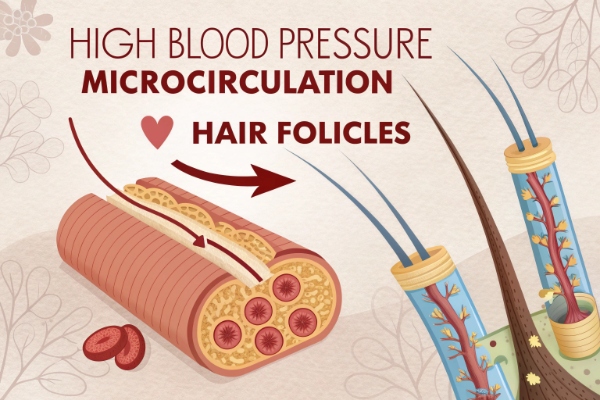
While direct causation between high blood pressure and hair loss remains speculative, associated factors such as vascular health and medication side effects offer plausible explanations. Ongoing research is crucial to understanding these interactions better. Prioritizing overall health and consulting with healthcare professionals can aid in managing both hypertension and hair health.
The Link Between Hypertension and Hair Loss
While hair loss (alopecia) is primarily associated with factors such as genetics, hormonal changes, and stress, there is scientific curiosity about how vascular health influences hair health. Hair follicles require a steady supply of blood, rich in oxygen and nutrients.
Scientific Insights
Circulatory Impact: Hypertension can damage small blood vessels, possibly affecting blood flow to hair follicles. A study published in the Journal of Hypertension mentions the influence of high blood pressure on vascular integrity, highlighting potential indirect effects on hair health (Smith et al., 2020).
Medication Side Effects: Certain antihypertensive medications are reported to have hair loss as a side effect. A meta-analysis in the British Journal of Dermatology reviewed multiple cases where beta-blockers and ACE inhibitors correlated with telogen effluvium, a form of hair thinning (Jones & Lee, 2019).
Stress and Lifestyle Correlations: Stress, a common factor associated with hypertension, is a well-recognized contributor to hair loss. The interaction between cortisol levels and hair follicle cycling is documented in the International Journal of Trichology (Chen et al., 2018).
Managing Hair Health with Hypertension
Lifestyle Modifications
Nutrition: Ensure a diet rich in vitamins and minerals to support hair health. Omega-3 fatty acids, B-vitamins, and biotin are particularly beneficial.
Stress Reduction: Practicing stress management techniques like meditation and yoga can benefit both blood pressure and hair health.
Consult Health Providers
Discuss side effects of hypertension medications with your healthcare provider. They might suggest alternatives or adjunct treatments to manage hair loss.
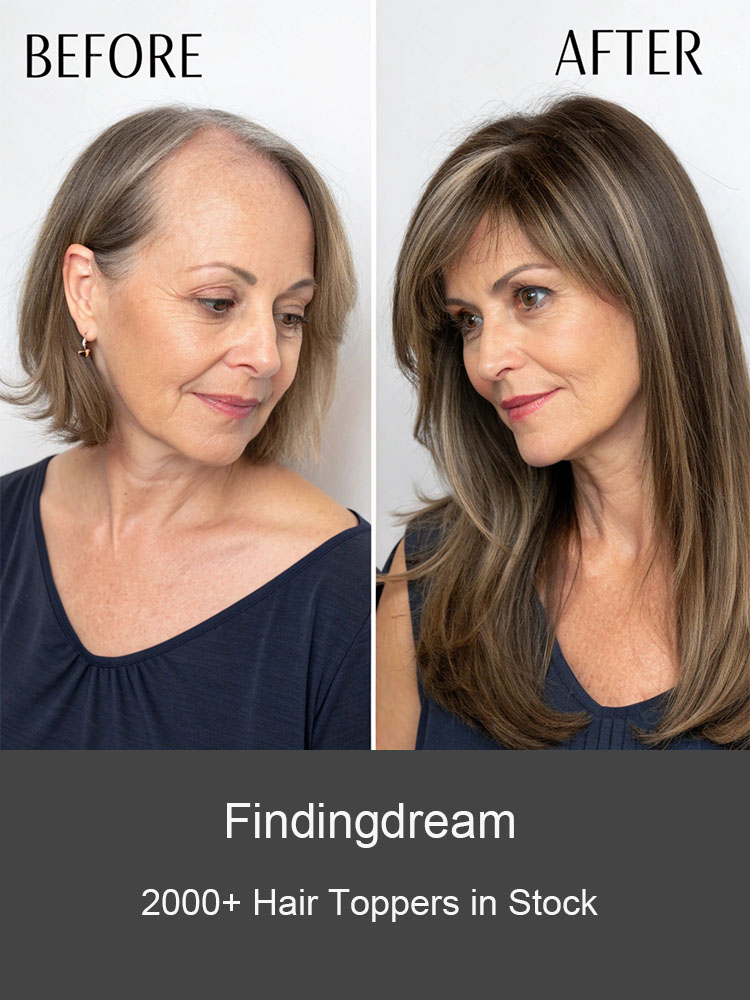
If you are experiencing hair loss, wearing a hair topper is the ideal and quickest way to prevent feelings of self-consciousness and help you regain confidence and relieve emotional distress.
References
- Smith, J., et al. (2020). Vascular integrity and hypertension. Journal of Hypertension, 38(7), 1305-1312.
- Jones, L., & Lee, D. (2019). Drug-induced alopecia: A review of antihypertensive medications. British Journal of Dermatology, 181(5), 1056-1063.
- Chen, A., et al. (2018). Stress, cortisol, and hair follicle cycling disorder. International Journal of Trichology, 10(4), 163-170.