
Hair loss is a common concern for many individuals, leading to various myths and misconceptions about its causes. One popular belief is that wearing a hat can contribute to hair loss. This article explores the scientific evidence behind this claim and considers practical insights to determine whether your favorite cap might be affecting your hair health.
Does Wearing a Hat Cause Hair Loss?
Wearing hats doesn’t cause hair loss; they don’t damage follicles or block nutrients. Focus on genetics, diet, stress, and hormones for hair health.
The myth that wearing hats leads to hair loss is unfounded in scientific evidence. Hats do not exert enough pressure to damage hair follicles nor block the essential nutrients required for hair growth. Individuals concerned about hair loss should pay attention to factors like genetics, diet, stress levels, and hormonal changes, which play substantial roles in hair health. Proper scalp hygiene and choosing appropriately fitting hats can ensure any concerns about hair health remain purely mythical.
Understanding Hair Health
Before delving into the hat question, it’s essential to understand the basics of hair health. Hair grows from follicles located in the skin. These follicles are influenced by factors such as genetics, hormonal changes, diet, stress, and overall health.
The Myth of Hats Causing Hair Loss
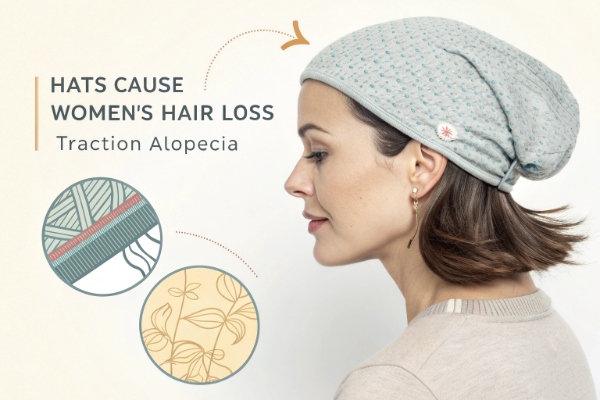
The belief that hats cause hair loss primarily revolves around the idea of traction alopecia. Traction alopecia is a condition resulting from sustained tension on the hair follicles, typically caused by tight hairstyles. Since hats rest on the head, concerns arise about whether they exert enough pressure to damage follicles.
Scientific Evidence
Current scientific research suggests no direct link between wearing a hat and hair loss. Here are some key studies and findings:
Scalp Health: A study published in the Journal of the American Academy of Dermatology indicates that external factors such as weather and pollution have minimal direct impact on hair loss compared to internal factors like genetics and hormonal changes (Olsen et al., 2001). Hats, being external accessories, fall into this category.
Traction Alopecia: Research on traction alopecia primarily focuses on hairstyles that exert strong and continuous tension, such as tight buns or braids (Khumalo et al., 2007). Hats typically do not pull tightly enough on hair to cause such issues unless extremely tight and worn consistently.
Hair Follicle Health: Hair is made of dead cells; therefore, cutting or external handling will not affect its growth from the follicle. Regular hat-wearing does not block the hair follicles’ access to air since hair continues to receive nutrients from the bloodstream, not atmospheric oxygen.
Practical Insights
While scientific research does not support the idea that hats cause hair loss, there are practical considerations:
Hygiene: Wearing dirty hats can lead to scalp irritation or infections, potentially affecting hair health. Regular cleaning of hats is recommended.
Tightness: While normal hats do not cause traction alopecia, consistently wearing overly tight hats might contribute to minor scalp irritation or temporary follicle damage.
Sweat and Oil Buildup: Hats worn for extended periods may lead to sweat and oil accumulation, affecting scalp hygiene. This does not typically cause hair loss but may affect overall hair health if not managed.
Debunking the Myth
Given the current evidence, wearing a hat does not directly cause hair loss. Genetics, hormonal factors, and overall health play a far more significant role in causing hair loss. Those experiencing hair loss should focus on these areas and consult healthcare professionals for advice tailored to their situation.
Conclusion
In conclusion, your favorite cap poses no threat to your luscious locks. Embrace the style, protect your scalp from the sun or cold, and maintain good hygiene to enjoy both fashion and healthy hair.