
Dandruff is a common scalp condition affecting millions worldwide. Characterized by flaky, itchy skin on the scalp, it often raises concerns about whether it might contribute to hair loss. To address this issue, it is essential to consider both anecdotal reports and scientific evidence.
Can Dandruff Cause Hair Loss?
Dandruff doesn’t directly cause hair loss, but it can lead to scalp inflammation and irritation, which may indirectly affect hair health.
In summary, it is crucial to recognize the signs of dandruff early and to take preventive measures to protect both scalp and hair health. By understanding the interplay between dandruff and hair loss, individuals can make informed decisions to counteract any potential adverse effects, thereby preserving their locks in the long term.
Understanding Dandruff
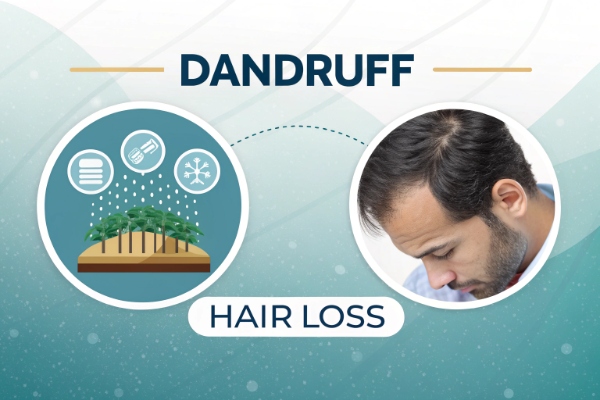
Dandruff, medically known as seborrheic dermatitis, is a chronic condition with varying degrees of severity. While its exact cause remains unclear, factors such as an overgrowth of yeast (Malassezia), excess oil production, and inflammatory skin responses are commonly implicated (Rossi et al., 2005). Dandruff itself does not directly cause hair loss. However, the itching and scratching associated with it can potentially weaken hair follicles, leading to hair loss over time.
Can Dandruff Cause Hair Loss?
Dandruff doesn’t directly cause hair loss but can affect hair health through scratching, inflammation, and stress. Effective treatments help alleviate symptoms and maintain hair health.
While dandruff itself is not a direct cause of hair loss, its symptoms and associated effects can indirectly influence hair health. The scratching, inflammation, and psychological stress linked to dandruff may contribute to temporary hair shedding. However, with effective management using scientifically-proven treatments, individuals can alleviate dandruff symptoms and maintain healthy hair.
The Link Between Dandruff and Hair Loss
- Inflammation and Hair Follicles
According to a study by Tamburic-Ilincic et al. (2009), chronic scalp inflammation can indeed affect hair follicles. Dandruff-related inflammation may lead to an unhealthy scalp environment, impairing hair growth. It is necessary to differentiate between normal dandruff and severe seborrheic dermatitis, as the latter might contribute more significantly to inflammation and potential hair shedding.
- Scratching-Induced Hair Damage
A 2012 study by Gupta et al. highlighted that excessive scratching due to severe dandruff could cause mechanical hair damage. Persistent scratching can harm the hair shaft and create micro-traumas to the hair follicles, potentially disturbing the natural hair growth cycle and leading to increased hair fall.
Psychological Stress
An often-overlooked factor is the psychological stress associated with dandruff. Stress has been shown to affect hormone levels, contributing to conditions like telogen effluvium, where hair falls out more easily (Mireles et al., 2016). The social embarrassment and discomfort associated with visible dandruff can exacerbate stress, indirectly impacting hair health.
Scientific Insights and Research
When reviewing scientific literature, there is no direct evidence that connects dandruff to permanent hair loss. However, there are indirect pathways through which unmanaged dandruff might contribute to temporary hair loss:
Yeast Overgrowth
A study in the "Journal of Investigative Dermatology" (Faergemann & Fredriksson, 1979) discusses how Malassezia yeast can exacerbate scalp conditions, leading to increased dandruff. While not directly linked to hair loss, a compromised scalp can affect hair vitality.
Barrier Function Disruption
Research suggests that chronic dandruff might impair the skin’s barrier function (Turner et al., 2012). An unhealthy scalp can hinder hair growth due to its inability to provide a supportive environment for hair follicles.
Effective Management Strategies
Addressing dandruff promptly and effectively can mitigate its potential impact on hair health. Here are science-backed strategies for managing dandruff:
Medicated Shampoos
Anti-dandruff shampoos containing zinc pyrithione, ketoconazole, or selenium sulfide have been shown to be effective against dandruff (Pierard-Franchimont et al., 2002). These ingredients work by reducing yeast overgrowth and inflammation.
Proper Scalp Hygiene
Maintaining regular scalp hygiene can prevent excess oil buildup and reduce the severity of dandruff. This involves gently washing the hair without over-scrubbing, which can minimize mechanical damage.
Diet and Lifestyle
An anti-inflammatory diet rich in antioxidants and omega-3 fatty acids can support overall scalp health (Logan, 2003). Managing stress through mindfulness techniques, yoga, or other relaxing activities can also reduce dandruff-associated stress.
References:
- Faergemann, J., & Fredriksson, T. (1979). The role of Malassezia furfur in the elicitation of seborrhoeic dermatitis. The Journal of Investigative Dermatology.
- Gupta, A. K., et al. (2012). Mechanical hair damage affects hair health. Dermatology Practical & Conceptual.
- Logan, A. C. (2003). Omega-3 fatty acids and inflammation. Medical Science Monitor.
- Mireles, M. J., et al. (2016). Stress and its impact on hair loss. International Journal of Trichology.
- Pierard-Franchimont, C., et al. (2002). A ketoconazole-trimmed path through dandruff troubles. Journal of Cosmetic Dermatology.
- Rossi, A., et al. (2005). Seborrheic dermatitis and scalp psoriasis. American Journal of Clinical Dermatology.
- Tamburic-Ilincic, L., et al. (2009). The impact of scalp inflammation on hair follicles. International Journal of Dermatology.
- Turner, G. A., et al. (2012). Barrier dysfunction in seborrheic dermatitis. Journal of Dermatological Science.