

White flakes on your shoulders are embarrassing enough. Now your brush fills with hair too, and one worry grows: is dandruff making you bald?
Does Dandruff Cause Hair Loss?
No, dandruff does not directly cause hair loss. Dandruff is flaking skin on your scalp, while hair grows from follicles beneath that skin. However, constant scratching, harsh treatments, and underlying scalp conditions linked to dandruff can trigger shedding. And no, dandruff shampoo does not cause hair loss either — used as directed, it protects your hair. The good news: this shedding is usually temporary and reversible.

I asked myself the same question when my part line looked wider and my shoulders stayed flaky. Here is what the science actually says about dandruff, shedding, whether your shampoo is to blame, and how to protect both your scalp and your hair.
What Actually Causes Dandruff?
You bought three shampoos already. The flakes came back every time. To fix dandruff for good, you first need to know what you are actually fighting.
Most dandruff is caused by seborrheic dermatitis, an inflammatory skin condition on the scalp. Other common causes include the Malassezia yeast feeding on scalp oils, dry skin, and sensitivity to hair products. It is a skin condition, not a hygiene problem.
Your scalp skin sets the pace
I used to think dandruff meant someone skipped wash day. The research changed my mind. Most persistent dandruff traces back to seborrheic dermatitis[1], an inflammatory condition that speeds up skin cell turnover on your scalp. A yeast called Malassezia[2] feeds on scalp oils and leaves behind irritating fatty acids. Your skin reacts, sheds faster, and white flakes appear. Cold weather, stress, and oily skin all make it worse. Notice what is missing from that list: poor hygiene.
| Cause | What happens | Flake type |
|---|---|---|
| Seborrheic dermatitis | Skin inflammation speeds up cell turnover | Oily, yellowish, larger flakes |
| Malassezia overgrowth | Yeast feeds on scalp oil and irritates skin | White to yellow flakes |
| Dry skin | Scalp lacks moisture in cold, dry air | Small, dry, white flakes |
| Contact dermatitis | Reaction to a hair care product | Flakes with redness and itching |
Can Scratching a Dandruff Scalp Make Hair Fall Out?
Every night you scratch, and every morning the brush looks fuller with hair. That itch might be doing more damage than the flakes themselves.
Yes, constant scratching can contribute to hair loss. Scratching an itchy scalp damages skin and follicles, so hairs break or fall out. Scalp inflammation can also push hairs into a resting phase, a shedding pattern called telogen effluvium. In most cases, this hair grows back once the scalp heals.

The scratch-shed cycle explained
Here is the link most people miss. Scratching feels sweet for two seconds, but it injures your scalp. Damaged follicles let go of hairs early, and broken strands add to the daily count. Stress and inflammation push large numbers of hairs into a resting phase, a shedding pattern doctors call telogen effluvium[4]. It appears as thinning on top, two to three months after the trigger. Since dandruff[3] itself is harmless, the real threat to your hair is what you do to your scalp while it itches.
| Habit | Effect on your hair |
|---|---|
| Scratching with nails | Tears skin, breaks hairs at the root |
| Scrubbing shampoo hard | Irritates the scalp, causes more flaking |
| Tight ponytails on itchy days | Adds tension and worsens shedding |
| Picking at flakes | Damages follicles and delays healing |
How Do You Treat Dandruff Without Damaging Your Hair?
You want the flakes gone, but you fear the cure. Harsh shampoos, hot water, and daily washing sound like a recipe for dry, breaking hair. It doesn’t have to be.
Treat dandruff with a medicated shampoo, used gently. Dermatologists recommend active ingredients like zinc pyrithione, salicylic acid, selenium sulfide, or ketoconazole. Massage the shampoo into your scalp, leave it for five to ten minutes, then rinse. Wash according to your hair type, and see a dermatologist if flakes persist.
The five ingredients that actually work
I rotated four shampoos before one worked, so I learned this the hard way. The American Academy of Dermatology explains how to treat dandruff[5] with a simple routine. Choose one active ingredient, follow the instructions on the bottle, and lather the shampoo on your scalp, not your ends. Let it sit five to ten minutes, then rinse. If one ingredient stops working after a few weeks, alternate it with a different one. Gentle fingertips work better than nails, every single time.
| Active ingredient | How it works | Best for |
|---|---|---|
| Zinc pyrithione | Antifungal, controls yeast growth | First-time users |
| Salicylic acid | Loosens and lifts flakes | Thick, scaly buildup |
| Selenium sulfide | Slows skin cell turnover | Oily scalps |
| Ketoconazole | Stronger antifungal | Stubborn, recurring cases |
| Coal tar | Slows cell turnover, calms itching | Scalp psoriasis-linked flakes |
Can Dandruff Shampoo Itself Cause Hair Loss?
You started using the medicated shampoo, and two weeks later your drain is full of hair. The timing feels suspicious. Is the shampoo doing this?
No, dandruff shampoo does not cause hair loss when used as directed. Medicated ingredients like zinc pyrithione and ketoconazole target the yeast and skin on your scalp, not your follicles. What looks like shampoo-triggered shedding is usually breakage from over-washing, a reaction to leaving the product on too long, or coincidental telogen effluvium that was already underway.
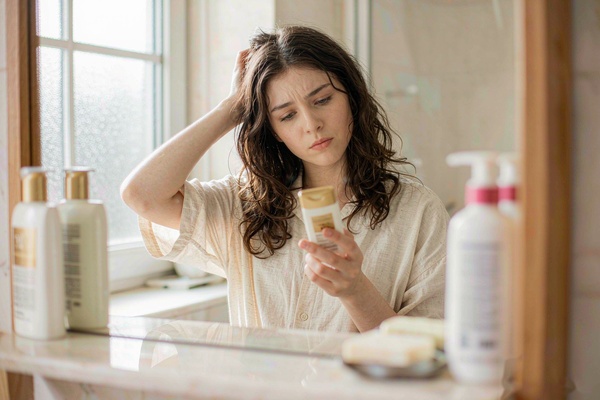
Why the drain fills right after you start treatment
Here is the timing trap that fools everyone. Hair shedding from stress or illness shows up two to three months after the trigger, not right away. So when you start a new dandruff shampoo and suddenly see hair falling, the shedding was most likely set in motion months ago. The American Academy of Dermatology[6] explains that this excessive shedding, called telogen effluvium, stops on its own within six to nine months. The real risks from dandruff shampoo come from misuse, not the medicine itself.
| What you might be doing | What actually happens | Fix |
|---|---|---|
| Washing daily with hot water | Strips oils, hair dries out and snaps | Wash 2–3 times a week, lukewarm water |
| Leaving shampoo on 30+ minutes | Irritates skin and inflames the scalp | Follow the label: 5–10 minutes max |
| Scrubbing with nails to "activate" it | Tears skin, breaks hairs at the root | Massage with fingertips only |
| Skipping conditioner | Dry mid-lengths snap and look like fallout | Condition your ends every wash |
One more reassuring fact: ketoconazole, the strongest dandruff ingredient, has actually been studied for keeping hair fuller, not thinner. Used correctly, dandruff shampoo protects your hair by calming the inflammation that does the real damage.
What If Your Hair Already Looks Thin on Top?
Your scalp is finally calm, but the mirror still shows thinning on top. Waiting for regrowth takes months, and you want to feel like yourself today.
A hair topper can cover a thinning crown while your scalp recovers. A topper is a small, lightweight hairpiece that clips in over the top of your head. It blends with your hair, hides visible scalp, and adds volume. It does not interfere with dandruff treatment.
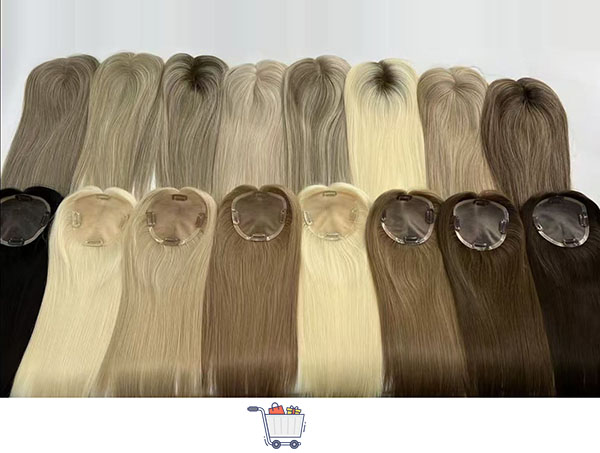
Choosing coverage that fits your thinning pattern
When my crown looked sparse after a stressful winter, a topper saved my confidence. A hair topper is not a full wig. It covers just the top of your head, where dandruff-related shedding usually shows. Clip-in styles take ten seconds to wear, and they blend with your natural hair. My advice: pick a breathable silk or mono base if your scalp is still sensitive, and keep the clips away from inflamed spots. Findingdream offers human hair toppers in sizes from 5×5 to 8×8.
| Coverage need | Recommended base size |
|---|---|
| Widening part line | 5×5 or smaller |
| Thinning crown | 5.5×6 topper |
| Thinning top and crown | 6×6 or 7×7 topper |
| Larger area plus volume boost | 8×8 topper |
Conclusion
Dandruff and hair loss often show up together, but dandruff rarely pulls the trigger. Scratching, inflammation, and stress do — not your medicated shampoo. Treat your scalp with an anti-dandruff shampoo used as directed, keep your hands gentle, and give shedding time to reverse. If thinning still bothers you, a quality hair topper covers the gap while your hair recovers.
References
Cleveland Clinic — Seborrheic dermatitis: causes, symptoms, and treatment overview. ↑ Back
Wikipedia — Malassezia, the yeast genus linked to dandruff and scalp flaking. ↑ Back
Mayo Clinic — Dandruff symptoms and causes, including Malassezia and dry skin triggers. ↑ Back
Cleveland Clinic — Telogen effluvium: temporary hair shedding after stress or illness. ↑ Back
American Academy of Dermatology — How to treat dandruff: dermatologist-recommended tips and ingredients. ↑ Back
American Academy of Dermatology — Do you have hair loss or hair shedding? Telogen effluvium explained, including hair-care habits that damage hair. ↑ Back