

Exploring the Link Between Phentermine and Hair Loss
Phentermine is a prescription medication commonly used for weight loss, designed to suppress appetite and help with obesity management. While effective in aiding weight reduction, some individuals have raised concerns about potential side effects, including hair loss. This article examines the scientific evidence regarding phentermine and its connection to hair loss.
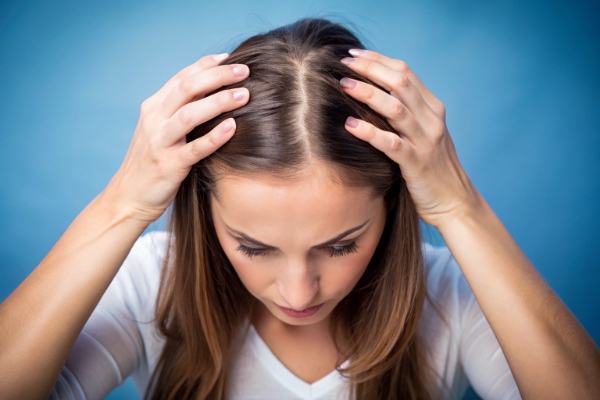
Does Phentermine Cause Hair Loss?
Phentermine may contribute to hair thinning via stress and dietary changes; addressing these can help manage hair health while benefiting from its weight loss effects.
While there is no definitive evidence that phentermine directly causes hair loss, its impact on stress levels, dietary habits, and nutritional status may contribute to hair thinning in susceptible individuals. By addressing these factors, users can better manage their hair health while benefiting from phentermine’s weight loss effects. Consulting healthcare professionals, implementing dietary adjustments, and adopting lifestyle changes are crucial steps in mitigating potential hair loss.
Understanding Phentermine
Phentermine is a sympathomimetic amine that affects the central nervous system, increasing the release of neurotransmitters like norepinephrine. It helps reduce appetite and boosts energy levels, aiding weight loss efforts (Hendricks et al., 2009). Despite its benefits, users should be aware of potential side effects and interactions.
Investigating the Potential for Hair Loss
Dietary Changes and Nutritional Deficiency
Weight loss often involves dietary adjustments, which can lead to nutritional deficiencies if not managed properly. Deficiencies in vitamins and minerals, such as zinc, iron, and biotin, are known contributors to hair loss (Rushton, 2002).
Stress and Telogen Effluvium
Weight loss efforts, combined with the stimulating effects of phentermine, may increase stress levels. Chronic stress is linked to telogen effluvium, a condition where hair prematurely enters the shedding phase (Mayo Clinic, 2020).
Medication-Induced Hair Loss
The phenomenon of drug-induced hair loss is documented in medical literature. While phentermine is not commonly listed among medications causing hair loss, anecdotal reports suggest it may occur in some individuals predisposed to hair thinning (Hughes et al., 2004).
Scientific Evidence
Direct studies linking phentermine to hair loss are scarce, yet related research provides insights:
Nutritional Impact
Dietary changes associated with weight loss, including those induced by appetite suppressants like phentermine, can lead to nutrient deficiencies impacting hair health. A review in “Clinical and Experimental Dermatology” highlights the importance of maintaining balanced nutrition to prevent hair loss during weight management (Rushton, 2002).
Stress and Hair Loss
A study by Hwang et al. (2006) in the “Journal of Dermatological Science” explores how stress influences hair cycles, potentially exacerbating telogen effluvium. Phentermine users experiencing increased stress might note a correlation with hair loss.
Managing Hair Health While Using Phentermine
To mitigate potential hair loss while on phentermine, consider the following strategies:
Consult Your Healthcare Provider
Discuss any concerns about hair loss with your doctor. They may suggest alternative medications or dosages to address this issue.
Maintain Nutritional Balance
Focus on a nutrient-rich diet, ensuring adequate intake of vitamins and minerals essential for hair health. Supplements like biotin or zinc may be recommended by healthcare providers if deficiencies are suspected (Rushton, 2002).
Stress Management
Incorporate stress-relieving activities into your routine, such as yoga, meditation, or regular physical exercise to manage stress-related hair loss (Mayo Clinic, 2020).
Use Hair Care Products
Consider topical treatments, like minoxidil, which can help promote hair growth and counteract thinning (Rossi et al., 2012).
References:
- Hendricks, E. J., et al. (2009). An open-label study of phentermine and topiramate for the treatment of obesity. Obesity.
- Rushton, D. H. (2002). Nutritional factors and hair loss. Clinical and Experimental Dermatology.
- Mayo Clinic. (2020). Hair loss: causes.
- Hughes, E. C., et al. (2004). Drug-induced hair loss: An overview. Journal of the American Academy of Dermatology.
- Hwang, S. T., et al. (2006). Stress and the hair growth cycle: Corticotropin-releasing hormone induces premature catagen in mice. Journal of Dermatological Science.
- Rossi, A., et al. (2012). Efficacy and safety of minoxidil 5% topical foam in the treatment of androgenetic alopecia in males. Journal of the American Academy of Dermatology.