

A widening part or round bald spot can make me change my hairstyle every morning, but the right cover can restore volume without surgery.
Hair fibers and root sprays can disguise small areas, but I find a hair topper more reliable for larger bald spots, daily wear, movement, and a natural part.
I look at these options as camouflage tools, not cures. My choice depends on the size of the thin area, the hair that remains around it, my weather exposure, and how long I need the result to last.
Are Hair Fibers or Root Sprays Enough for Bald Spots, or Is a Topper Better?
Small thin areas can respond well to quick camouflage, but a larger area needs a stable layer that adds real coverage.
Hair fibers and root sprays work best for mild thinning or small patches with surrounding hair, while a hair topper adds broader, longer-lasting coverage and volume.
How each option works
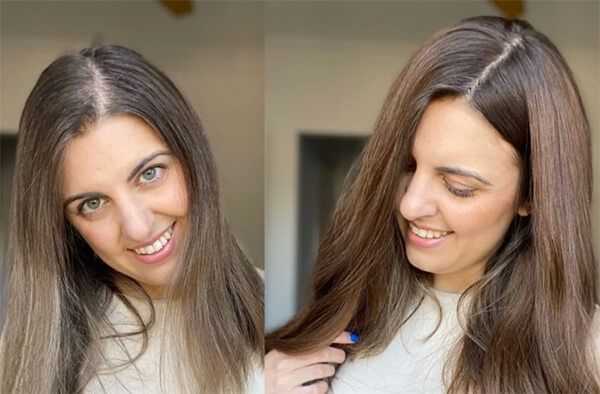
I start by checking whether the bald spot still has short hairs around its edges. Hair-building fibers1 are tinted particles that cling to existing strands, so they can make a small area look denser without adding a base. Root sprays and powders mainly reduce the contrast between scalp and hair. I use them for a quick part-line touch-up, a meeting, or a photograph. I choose a topper when I need the appearance of extra hair, not just a darker scalp. A topper covers the area with a breathable base and attached hair, so I can create shape, length, and movement. I still need enough surrounding hair for clips, or I need a professional attachment plan. I also remember that fibers and sprays do not treat the cause of hair loss. They only change what I see in the mirror.
| Option | Best starting point | Main strength | Main limitation |
|---|---|---|---|
| Hair fibers | Small gaps with nearby hair | Fast, light, inexpensive touch-up | Needs hair to grip and can shift with moisture or friction |
| Root spray or powder | Visible scalp along a part or root | Even color and quick application | Adds color, not hair volume or a realistic base |
| Hair topper | Wider thinning, bald spot, or daily coverage | Adds coverage, volume, and a styled shape | Requires correct size, color match, and secure attachment |
Which Option Works Better for a Widening Part?
A widening part exposes scalp from several angles, so a single puff of powder may look uneven as I move through the day.
For a widening part, I usually choose a lightweight topper with a parting area that follows my natural direction; fibers or spray work best as short-term support.
Match coverage to the pattern
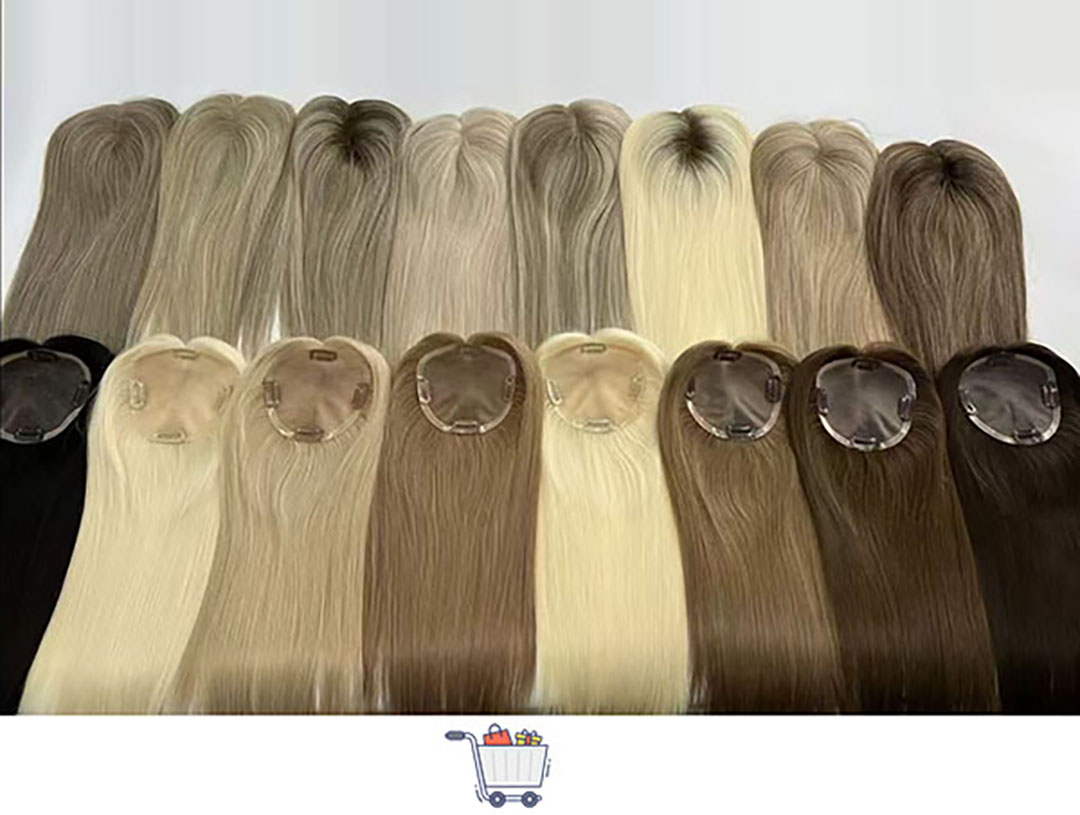
I compare the width and length of the visible scalp, then I decide whether I need color or structure. A root spray can soften contrast along a narrow line, especially when my hair is still dense on both sides. Fibers can create the impression of more strands, but they cannot close a part that has become broad and shiny. I treat these products as concealers2, because they change the visible contrast without regrowing hair. A topper gives me a new parting area and distributes hair across the crown. I prefer a base that ends beyond the thinnest point, because a narrow piece can leave a visible border when I turn my head. I keep the density close to my own hair. Too much density creates a shelf, while too little fails to cover the scalp. I also ask whether clips can grip safely. If my hair feels fragile, I use fewer clips with gentle tension and ask a stylist about alternatives. A well-sized topper should follow my head rather than pull my remaining hair toward the center.
| Widening-part situation | Practical first choice | What I check in daylight |
|---|---|---|
| Slightly wider line | Root spray or a few fibers | Color does not look painted or too dark |
| Part widening across the crown | Small or medium topper | Base covers the full visible area and lies flat |
| Crown thinning with several exposed angles | Larger crown topper | Density, direction, and perimeter blend from every side |
Will Hair Fibers Stay in Rain, Sweat, or Wind?
Weather can turn a neat camouflage routine into streaks, clumps, or scalp show-through, so I test it before an important day.
Hair fibers and root sprays are not automatically waterproof; I treat them as weather-sensitive cosmetics and use a compatible holding spray, hat, or topper when conditions are demanding.
Plan for weather and movement
I apply fibers only to dry hair and scalp, then I use a light, product-compatible spray if the label allows it. I avoid rubbing the area because friction can move loose particles onto my forehead or clothing. I also avoid treating a root spray as a sealant. Sweat, rain, and humidity can soften or redistribute pigment, and strong wind can separate the hair that hides the scalp. I check the product instructions because formulas differ, and I perform a small wear test before a long commute, workout, or outdoor event. For all-day coverage, I often prefer a topper with a stable base and secure clips, while I keep a small powder compact for the edges. NAAF’s guidance on wig fibers3 notes that human hair is more affected by weather and humidity, while traditional synthetic fibers generally hold their style better in humid conditions. I still protect either option from unnecessary heat, soaking, and rough brushing. Weather resistance is a product feature, not something I assume from the word “natural.”
| Condition | Fibers or spray | Topper strategy |
|---|---|---|
| Light humidity | Use a small amount and avoid touching | Check clips and smooth the perimeter |
| Sweat or exercise | Carry a touch-up product and towel-blot | Choose secure clips and a breathable base |
| Rain or strong wind | Use only a tested formula and cover the head | Pin or clip securely, then dry gently afterward |
When Is a Bald Spot Too Large for Fibers or Root Spray?
When bare skin becomes the main visual area, adding pigment alone can look flat and can draw attention to the edge of the spot.
A bald spot is usually too large for fibers or root spray when little hair remains for grip, the scalp stays visible from normal angles, or the product needs constant touch-ups.
Use a coverage test
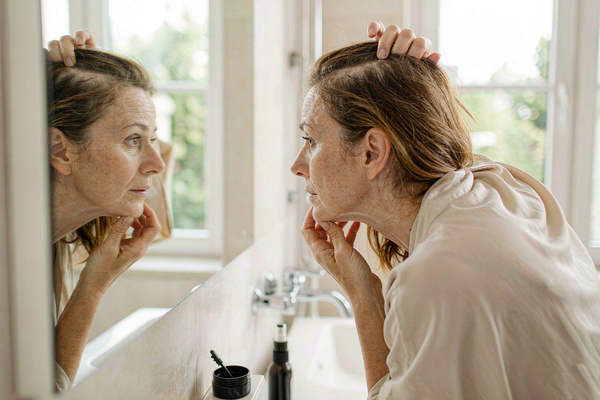
I use a simple three-angle test. I photograph the area from the front, side, and overhead in natural light. If I can still see a sharp circle after applying fibers, I need more than camouflage color. I also check whether the particles have anything to hold. NAAF describes topical fibers as best for diffuse loss or small patches because they need existing hair, while sprays work best on dry hair and scalp. I move to a topper when the spot extends beyond the part, when the surface looks smooth, or when I want consistent coverage through a full workday. A stylist can help me measure the base so it covers the spot without becoming oversized. DermNet lists a clipped or glued hairpiece4 as one camouflage option, along with powders and sprays. If my loss is sudden, patchy, painful, scaly, or rapidly changing, I pause cosmetic experimentation and seek medical advice. The NHS recommends speaking with a GP about the cause before visiting a commercial hair clinic5.
| My observation | What it usually tells me |
|---|---|
| Fibers disappear into short surrounding hairs | A small camouflage product may be enough |
| Product sits on bare skin or leaves a hard circle | I need a topper or professional styling plan |
| Coverage fails from the side or overhead | The piece or base should be larger |
| Loss changes quickly or includes scalp symptoms | I should arrange a clinical assessment |
Can I Use Hair Fibers With a Topper, and Which Looks Most Natural in Daylight?
Layering can improve a blend, but too many products can create residue and make the base easier to notice.
I can use a small amount of hair fibers or root spray around a topper’s perimeter, but a correctly matched base, density, color, and part usually look more natural in daylight.
Layering without visible residue
I first secure and style the topper, then I inspect the blend near a window instead of relying on warm bathroom light. I use fibers only where my own hair shows through, and I keep them away from the base edge unless the product is designed for that use. I choose a shade that matches my mid-lengths and ends, because matching only the darkest root can make the result look artificial. I soften the transition with a brush or my fingers, but I avoid pulling the topper out of position. I look for the signs that matter in daylight: a believable part direction, a flat perimeter, consistent density, and movement that matches my natural hair. A topper can look more realistic than pigment alone because it adds three-dimensional strands and a scalp-like parting area. However, a poorly matched topper can look more obvious than a light spray. I take short videos while turning my head, because a blend that works straight on may fail from the side. I also remove buildup regularly so the hair keeps its natural separation and shine.
Conclusion
I use fibers and root sprays for quick, small-area camouflage, but I choose a topper when I need reliable coverage, volume, and a natural part. I test every option in daylight and match it to my hair-loss pattern and lifestyle.
References
NAAF describes hair-building fibers as tinted particles that cling to existing strands, work best for diffuse or small patches, and need some hair plus light spray for hold. ↩
AAD notes that wigs and concealers can provide immediate cosmetic results and boost self-esteem, but they do not slow hair loss or regrow hair. ↩
NAAF compares wig fibers and explains that human hair is more affected by weather and humidity, while traditional synthetic fibers generally retain style better in humid conditions. ↩
DermNet lists clipped or glued hairpieces, powders, and sprays as camouflage choices when people want to disguise scalp hair loss or have an incomplete treatment response. ↩
NHS advises medical evaluation for concerning hair loss and recommends understanding the cause before visiting a commercial hair clinic. ↩